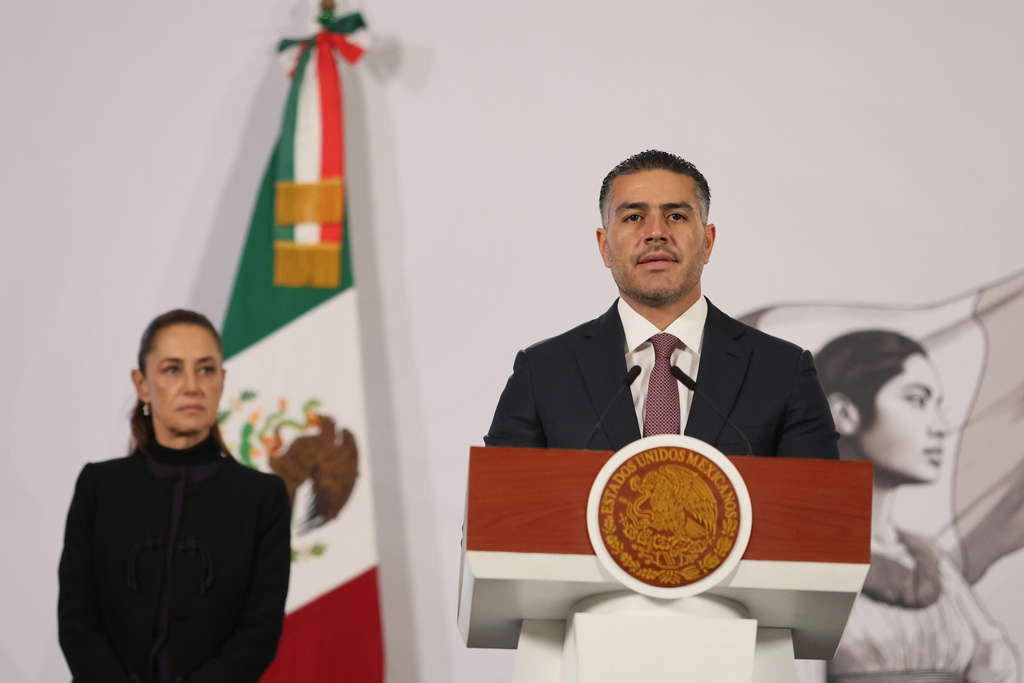
GUADALAJARA, Mexico (AP) — Twenty-five members of the Mexican National Guard were left dead in six separate attacks after special forces killed the notorious leader of theJalisco New Generation Cartel, the country’s security secretary said Monday as much of Mexico feared more violence.
Nemesio Oseguera Cervantes, known as “El Mencho,” was the boss of one of the fastest-growing criminal networks in Mexico, known for trafficking fentanyl, methamphetamine and cocaine to the United States and staging brazen attacks against government officials who challenged the cartel.
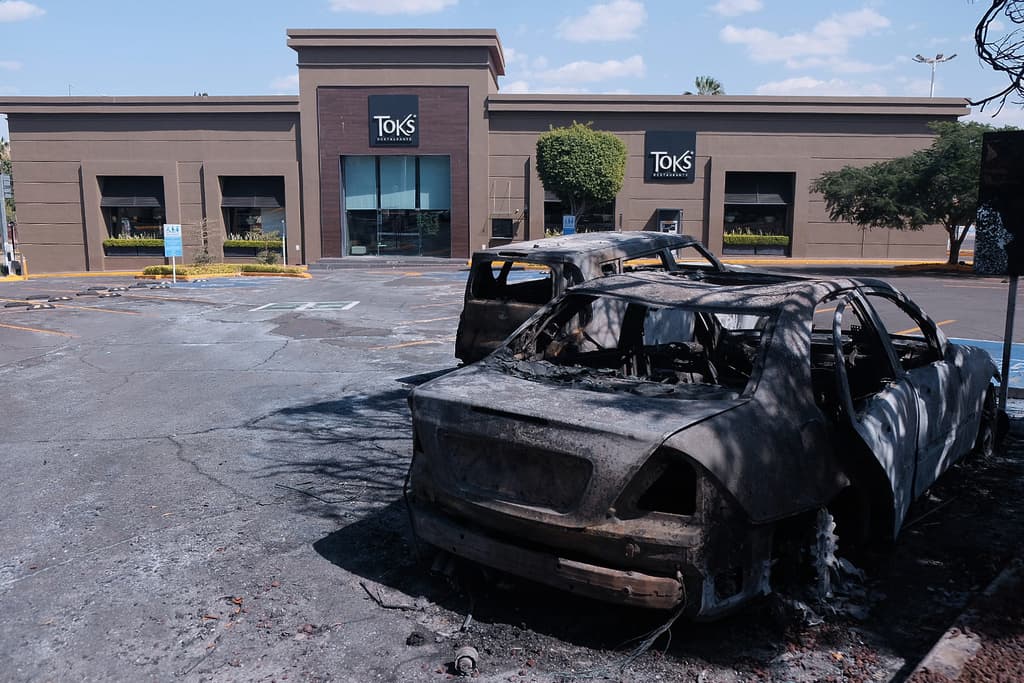
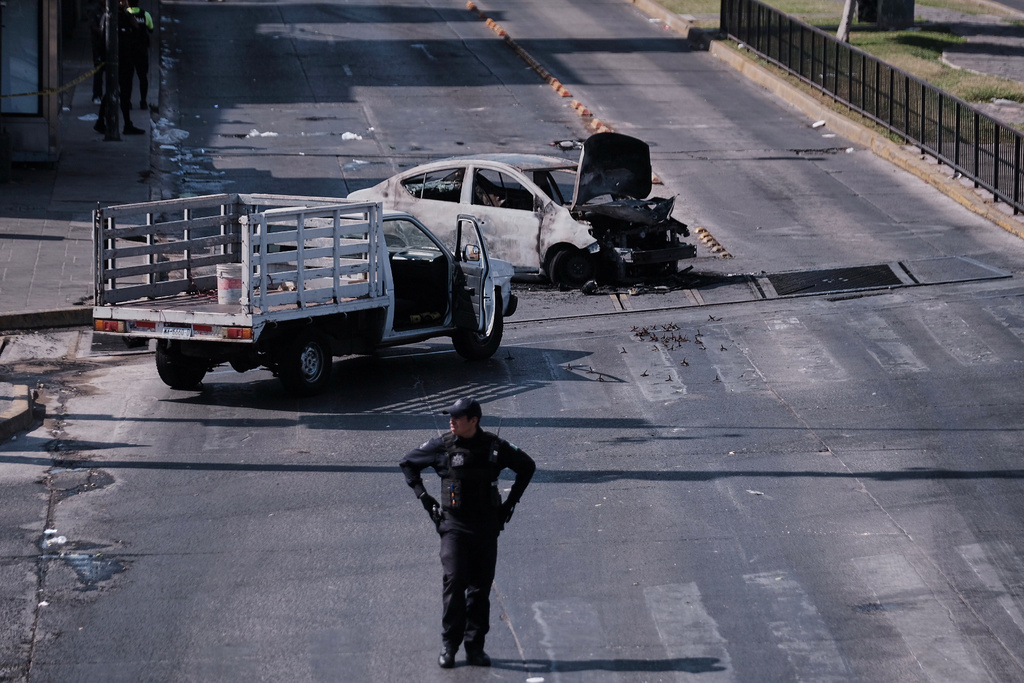
He was killed after a shootout in his home state of Jalisco as the Mexican military attempted to capture him. Cartel members responded with widespread violence, blocking roads and setting fire to vehicles.
Mexican Defense Secretary Ricardo Trevilla said Monday that authorities had followed one of Oseguera Cervantes' romantic partners to his hideout in Tapalpa, Jalisco.
Army and National Guard special forces moved in Sunday morning and immediately came under heavy fire. Eight gunmen were killed there. Oseguera Cervantes and two bodyguards fled into a wooded area where they were seriously wounded in a firefight, Trevilla said. They were flown out along with a wounded soldier, but El Mencho and his bodyguards died en route to Mexico City, he said.
In a different location in Jalisco, soldiers also killed another high-ranking cartel member who Trevilla said was coordinating violence and offering more than $1,000 for every soldier killed.
Also killed Sunday were a prison guard, an agent from the state prosecutor’s office and a woman who was not identified by authorities. Security Secretary Omar García Harfuch said some 30 criminal suspects were killed in Jalisco and four others were killed in the neighboring state of Michoacan.
Several Mexican states canceled school Monday, and local and foreign governments warned their citizens to stay inside after widespread violence erupted.
President Claudia Sheinbaum urged calm, and authorities said all of the more than 250 cartel roadblocks across 20 states had been cleared by Monday.
The White House confirmed that the U.S. provided intelligence support to the operation to capture the cartel leader and applauded Mexico's army for taking down a man who was one of the most wanted criminals in both countries.
Mexico hoped the death of the world's biggest fentanyl traffickers would ease Trump administration pressure to do more against the cartels, but many people were on edge as they waited to see the powerful cartel's reaction.
Many fear more violence
The U.S. Embassy said via X that its personnel in eight cities and in Michoacan would shelter in place and work remotely Monday, and it warned U.S. citizens in many parts of Mexico to do the same.
Cars began circulating in Guadalajara before sunrise Monday with the start of the workweek, a notable change from Sunday, when Jalisco's state capital and Mexico's second-largest city was almost completely shut down as fearful residents stayed home.
More than 1,000 people were stuck overnight in Guadalajara’s zoo, where they slept in buses. On Monday morning. mothers wrapped in blankets carried their toddlers out of the buses for a much-needed bathroom break as police trucks guarded the area.
Luis Soto Rendón, the zoo’s director, said many had been trapped there since 9 a.m. Sunday, when violence broke out in Jalisco and the surrounding states. Families were left stranded after concluding they could not return home in nearby states like Zacatecas and Michoacan.
“We decided to let people stay inside the zoo for their safety,” Soto said. “There are small children and senior citizens.”
José Luis Ramírez, a 54-year-old therapist, was in a long line of people waiting outside a pharmacy, one of the few businesses that were open Monday in Guadalajara. Families were buying food, medicine, water, diapers and baby formula, from pharmacists through a chained door.
It was Ramírez’s first time leaving the house since violence erupted over the weekend, but he struck a hopeful tone saying that despite the bloodshed, civilians needed to move forward.
“We have to not think scared, but be cool-headed, like they say, and take things as they come,” he said.
Traffic was light in the city, and outwardly it appeared that those who could afford to stay home were doing so, while those who had to work were carefully making their way across the city.
Irma Hernández, a 43-year-old hotel security guard in Guadalajara, arrived at work early Monday.
She normally takes public transportation to work, but buses were not running, and she had no way to cross the city. Her bosses organized a private car to pick her up. Her family, she said, was staying at home, too scared to leave.
“I am worried because I don't know how to get home if something happens,” she said.
Videos circulating on social media Sunday showed tourists in Puerto Vallarta walking on the beach with smoke rising in the distance.